

At What Age Can Kids Sleep in a Bunk Bed?

Key Takeaways:
-
Experts recommend bunk beds for ages 6 and up. At this stage, kids usually have the motor skills and maturity to safely sleep up high. That being said, every kid is different.
-
Look for key readiness indicators, such as strong climbing skills and the ability to follow basic safety rules.
-
Choose the space-saving bunk bed that matches your child’s age group and needs. From twin-size floor bunk beds to queen-over-queen bunk beds, Maxtrix has the setup for your family.
-
The best bunk bed for kids must have proper safety features. Look for a solid-wood bunk bed with tall guardrails, a high weight capacity, sturdy climbing methods, and durable construction.
What Age Is Appropriate for a Bunk Bed?
At first glance, bunk beds are hard to ignore. You get double the sleeping space in one smart, eye-catching setup. If you’ve been considering upgrading your child to bunk life, it's essential to ensure they’re ready.
Most experts recommend waiting until age 6 before using a kids' bunk bed. That number isn’t random; it aligns with the age when many children can reliably climb into bed and follow basic bedtime rules. Still, age is only part of the picture. Confidence, coordination, and good listening skills matter just as much.
Below, we’ll walk through age guidelines, readiness signs to look for, and the premium safety details that make Maxtrix bunk beds for kids feel secure from day one. Let’s dive right in!

Why Does Age Matter When Choosing a Bunk Bed?
Bunk beds sit much higher off the ground than a traditional bed. That added height is a big part of the fun, but it also raises real safety concerns, especially if your child is moving up from a crib, toddler bed, or a low-to-the-floor setup.



Bunk Bed Readiness Signs
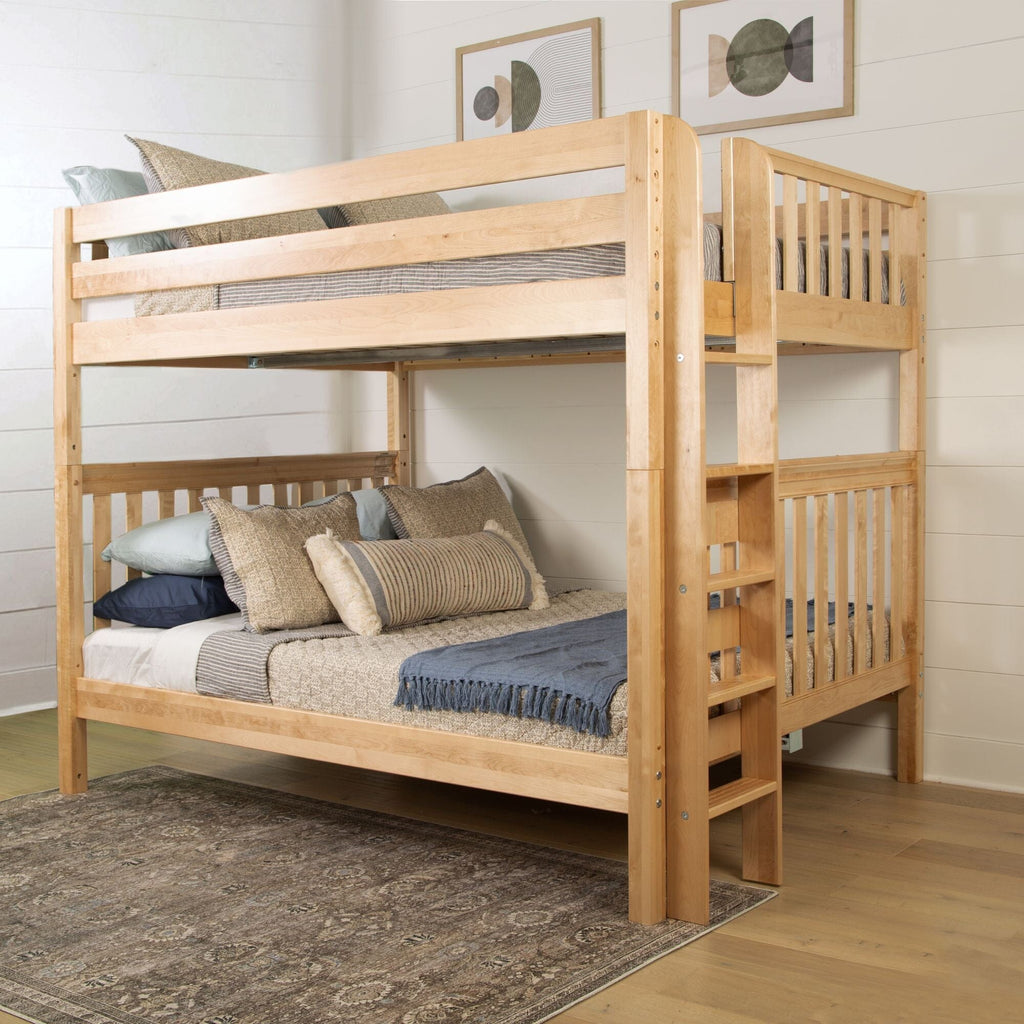
Around age six, many kids have the motor skills and maturity to climb confidently. Additionally, they tend to understand the rules that come with sleeping up high. Of course, every child develops at their own pace, so it’s less about the birthday and more about readiness.
Kids who are ready for bunk bed sleep typically show:
-
Confidence climbing ladders or stairs (tip: watch how they climb at the playground).
-
Strong coordination and balance when getting in and out of bed.
-
Ability to follow clear safety rules, no jumping, roughhousing, or leaning over rails.
-
Independent sleep habits, like the ability to settle and stay in bed overnight.
Overall, “six and up” is a helpful benchmark for coordination, judgment, and independence. If your child checks these boxes, they may be ready for bunk bed life before then. At the end of the day, you know your child best.
Next, we’ll share more age-by-age tips to help you choose the best bunk bed for kids with confidence.

Bunk Beds Per Age Group
From toddler to teen, follow these parent-approved tips to find your kids' perfect fit.
Under Age 6
Bunk beds aren’t recommended for kids under 6, especially the top bunk. As we discussed earlier, many children at this age are still developing coordination and cognitive skills.
If you’re transitioning from the crib, a twin toddler bed is a great introduction to “big kid sleep”. With four-sided guardrails and the ability to rebuild into a daybed, standard twin, and eventually a bunk, it’s a grow-with-them choice that keeps early sleep stages feeling secure.
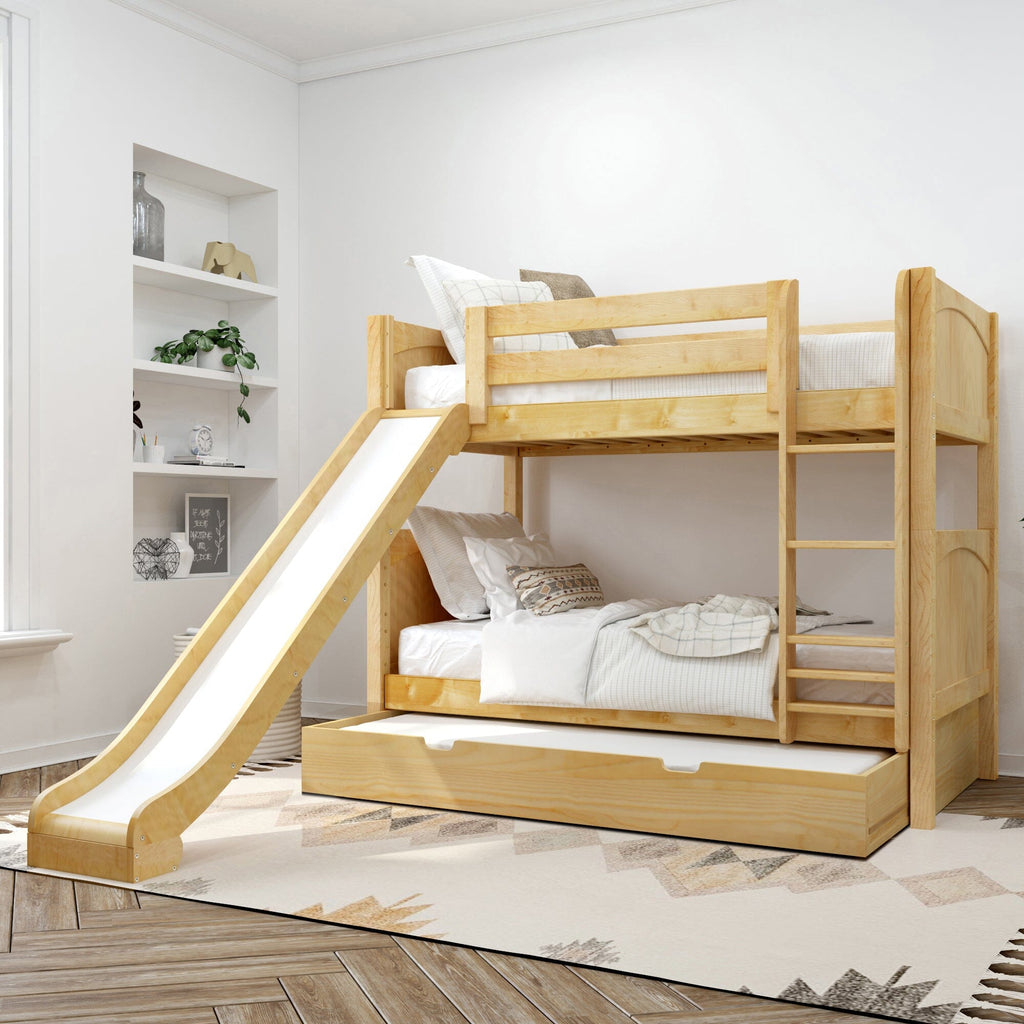
Need a shared-room setup sooner? Consider a floor bunk bed. An older sibling can sleep up top while your younger child stays safely down low. Maxtrix low bunk beds keep the bottom bunk directly on the ground with an overall height of around 50 inches, so kids get the excitement of bunk life without a big height leap.
It’s a smart, confidence-building bridge to elevated sleep.


Ages 6 to 9
Many kids in this age range are ready for bunk bed sleep. Still, the “best” bunk setup comes down to how confident they feel getting up and down.
A great option for elementary-age children is a mid-bunk bed. Standing around 65 inches off the ground, it gives kids that exciting “up high” sleep without the full height of a standard bunk.
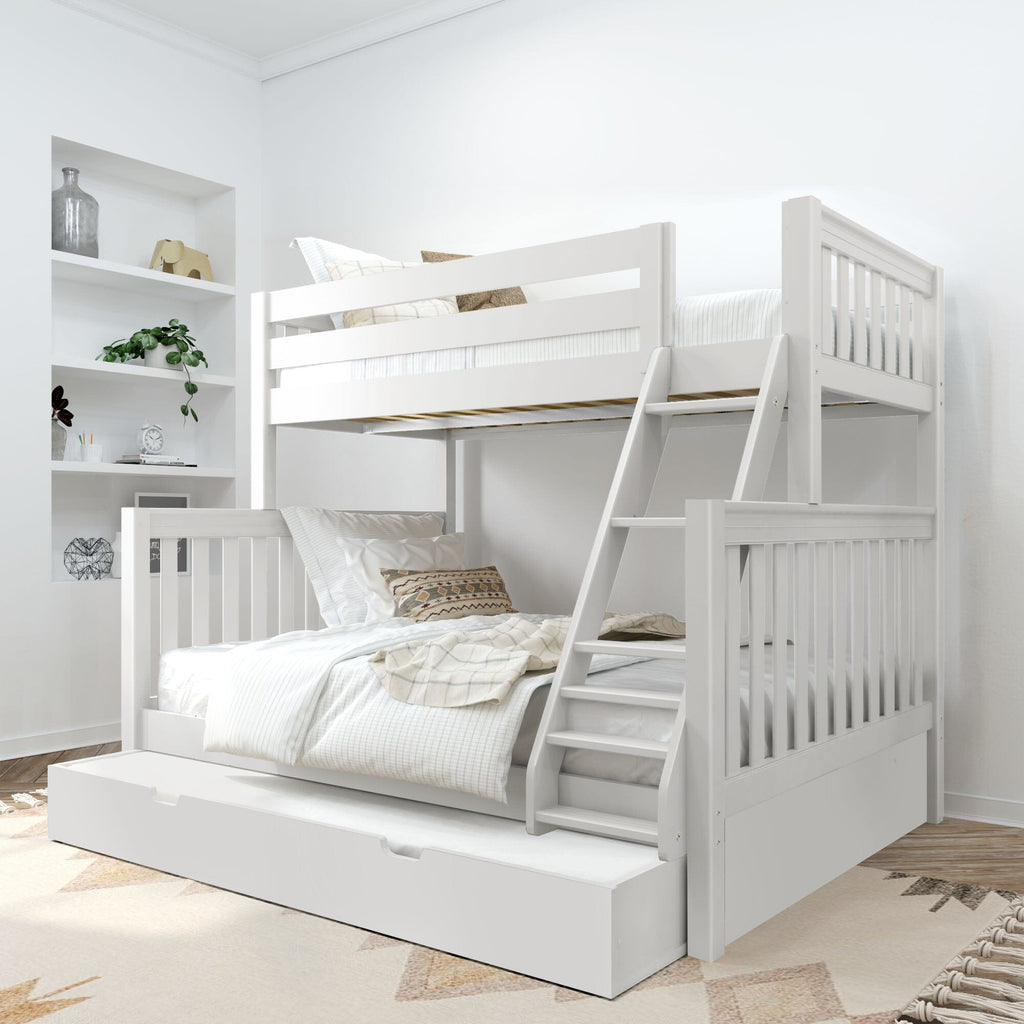
For climbing, many families prefer a staircase or an angled ladder. Angled ladders have a gentle slope that makes the climb feel easier. Even better, they save floor space for play and adventure.
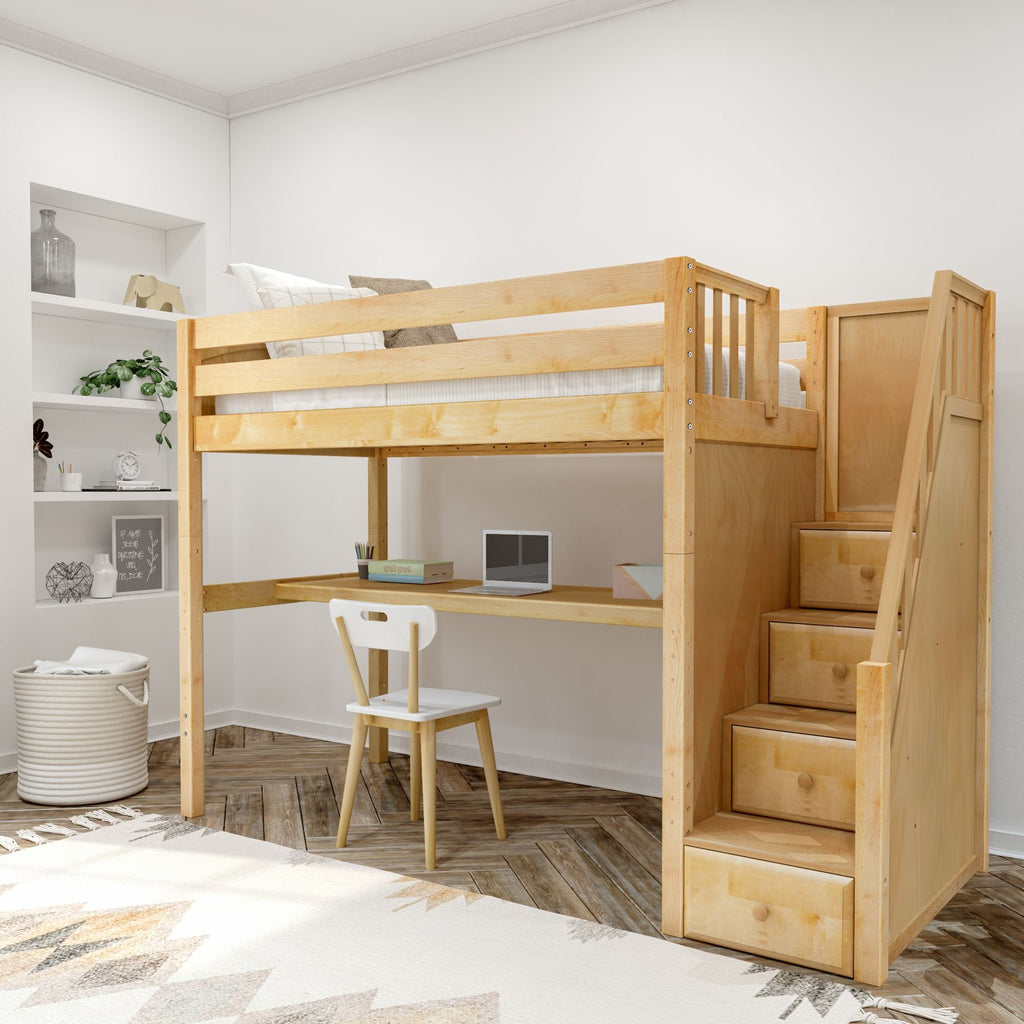
Bunk beds with stairs are a super secure option, with wide, sturdy steps and tall banisters that guide kids the whole way up. Bonus: our bunk beds with storage stairs include built-in cubbies under each step, perfect for bedding, books, and everyday kid clutter.
Because both our staircases and ladders are crafted from premium hardwood, you get steady, wobble-free durability you can trust for years.

Ages 10+ and Teens
Take it up a notch! Tweens and teens are typically ready for taller heights. Maxtrix high bunk beds stand about 71 inches tall, with plenty of headspace and room to grow.
For the inevitable growth spurt, go for a twin XL, full, or even a queen-size bunk bed for extra stretch-out space. As for climbing, a straight ladder is often the best fit for this age. It’s a smart, space-saving option for confident climbers, leaving extra bedroom space for high school hangouts or even a study desk with storage.
As kids grow, so does their collection of stuff. Add underbed drawers, cubbies, or both to keep clothes, gear, and hobbies from taking over the room.


What Makes a Kid's Bunk Bed Safe?
Age is only part of the equation. A safe bunk bed for kids needs to have tall guardrails, a low-profile mattress, a high weight capacity, and proper climbing methods.

Guardrails and Mattresses
Guardrails are non-negotiable for top bunk safety. Maxtrix guardrails are 16 inches tall, an industry-leading height designed to help keep kids secure as they sleep.
Just as important: guardrails only work correctly with the right mattress height. Maxtrix solid-wood bunk beds are designed for 5"–8" low-profile mattresses. With a 5-inch mattress, your child gets about 11 inches of guardrail coverage above the mattress surface, a big safety upgrade where it matters most.
On the bottom bunk, comfort is about clearance. Our bunk bed headspace ranges from about 33 to 42 inches, depending on the size of the bed. Paired with a low-profile mattress, kiddos can sit up comfortably without head bumps.
And “low-profile” doesn’t mean low-comfort! Our safe mattresses for kids use layered memory foam, designed to support growing bodies and healthy alignment. Safe, comfy sleep built for kids.

Weight Capacity
Maxtrix heavy-duty bunk beds are crafted from premium hardwoods like birch, maple, and aspen, never soft pine substitutes. This way, the bed frame stays solid through years of real-life use.
Paired with our patented Rock Lock™ steel connector system, every sleeping surface delivers an industry-leading 800-pound weight capacity. Translation: steady, secure sleep night after night, even through growth spurts, sleepovers, and everything in between.

Ladder & Staircase Options
We’ve touched on climbing methods, but let's really break it down! Access to the top bunk should match your child’s age, coordination, and confidence. Maxtrix offers three options, each built from premium solid hardwood for wobble-free strength.
-
Bunk beds with staircases: Wide, sturdy steps and tall banisters for secure climbing, especially for younger kids. Built-in cubbies provide easy storage for bedding, books, and everyday bedroom belongings.
-
Bunk beds with angled ladders: A gentle slant that makes climbing feel more natural, with a smaller footprint. Ideal middle-ground as kids gain confidence.
-
Bunk beds with straight ladders: A vertical, space-saving option for older, confident climbers. A ladder can be placed on the front or end of your children’s bunk bed.

How Bunk Beds Can Grow With Your Child
As parents, we know kids are always growing! As they get older, their sleep needs, room layouts, and routines change significantly. Therefore, their bed should be able to keep up!
With Maxtrix, you can rebuild and reconfigure your setup at any time to meet changing demands.

Convert Your Bunk Bed
With the Maxtrix Method, your bed evolves as your child does. For example, you can:
-
Start with a low bunk bed. Customize it with stairs, ladders, slides, and bedside storage.
-
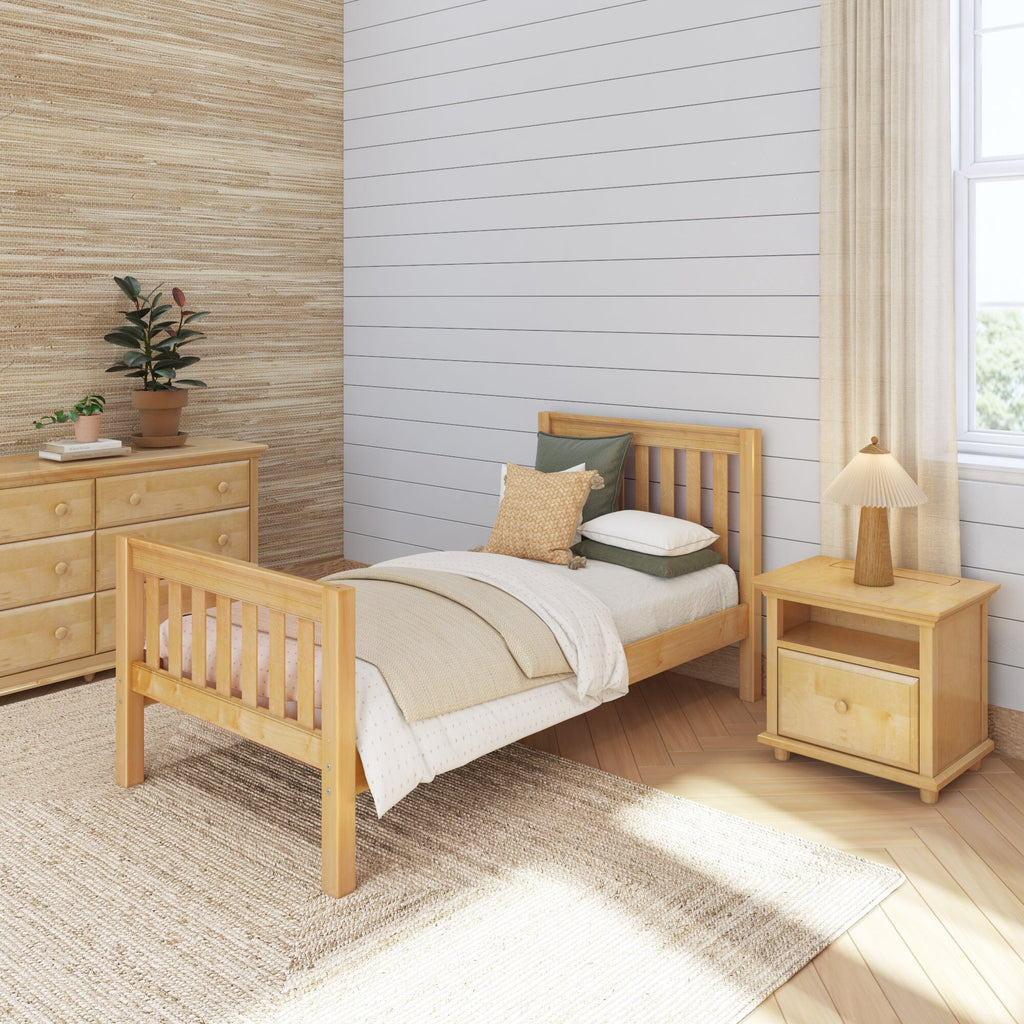
Split a bunk into two standalone beds. From desks for kids to solid wood dressers, discover endless storage furniture to complete the room.
-
Convert into a children’s low, mid, or high loft bed. For added functionality, personalize with an underbed desk and storage, or just enjoy the open floor space.
Those are just a handful of examples within the Maxtrix Method. With the ability to personalize your bedroom setup and rebuild later, it's a bedroom system built around your family's unique needs.


Maxtrix Bunk Beds: Designs For Any Age and Stage
We covered a lot. So here’s the quick recap of what matters most when you’re choosing a bunk for kiddos of any age!
-
Under 6: Skip the top bunk. Choose a twin-size toddler bed (with secure guardrails and rebuildable as they grow) or a floor bunk bed for shared rooms, offering a safer, low-to-the-ground bottom sleep space.
-
Ages 6–9: Kids are ready if they can climb confidently and follow rules. A mid-height bunk bed is a great first option, and a staircase or angled ladder can make climbing feel safer and easier.
-
Ages 10+ and teens: Standard-height bunks usually feel comfortable. Consider XL-size bunk beds for growth spurts, plus straight ladders and added storage as their stuff grows, too.
If your child is ready for bunk bed sleep, make the jump with Maxtrix! With premium hardwood construction and safety-first construction, it's the last bed you'll have to buy. What are you waiting for? Find your perfect kids' bunk bed today.

FAQ:
What is the recommended minimum age for using a bunk bed?
Experts, such as the Consumer Product Safety Commission, recommend bunk beds for children ages 6 and up, especially for sleeping on the top bunk. By this age, many kids have the coordination, balance, and rule-following skills needed for elevated sleep. Always evaluate your child’s individual readiness in addition to their age.
Are there specific safety standards for bunk beds?
Yes. Bunk beds sold in the U.S. must meet Consumer Product Safety Commission (CPSC) standards, which include guardrail height requirements and structural safety guidelines. Look for features such as tall guardrails, sturdy climbing methods, a proper mattress fit, and a high weight capacity for added peace of mind.
Can you put a 4-year-old in a bunk bed?
No, 4-year-olds are too young for bunk beds, especially the top bunk, due to climbing and safety risks. For this age, Max & Lily toddler beds and floor beds offer a cozy, age-appropriate alternative until they’re ready for bigger heights.