

Softwood vs. Hardwood: Which is Best for Kids' Beds?

Key Takeaways:
-
Solid wood is an umbrella term that refers to materials composed of real, natural wood all the way through. Both hardwood and softwood are considered solid wood materials.
-
Soft solid woods like pine are affordable and common in kids’ furniture, but they lack the durability of hardwood.
-
Hardwood comes from denser, stronger woods such as maple, birch, and aspen. This is what Maxtrix uses for all of our kids’ beds.
-
Kids’ furniture can be made from either softwood or hardwood, so the right choice depends on the durability and long-term value you need.
Softwood vs. Hardwood: Which is Best for Kids' Beds?
If you’ve been shopping for kids’ furniture, you’ve probably come across the terms “solid wood”, “softwood”, and “hardwood.” They all sound similar, so what difference does it make?
The short answer: it makes all the difference!
Not all woods are created equal, and the type you choose has a huge impact on your bed’s quality, durability, and safety. Understanding the differences helps you make a smarter, longer-lasting choice for your child’s room.
Before we go into more detail, it’s helpful to understand that solid wood is an umbrella term. It refers to materials made of real, natural wood all the way through. Under that umbrella, you’ll find two categories: softwood and hardwood.
In this blog, we’ll break down the key differences between softwood and hardwood, and explain why it matters when choosing the best bed for your child.

About Softwood and Hardwood
Softwood
Softwood is a common choice for children’s furniture. As a type of solid wood, parents appreciate that it’s made from 100% natural materials. This sets it apart from MDF and other engineered options often used in kids’ furniture.
Softwood comes from evergreen trees (species that keep their leaves all year round), such as pine trees. These softwood trees are relatively lightweight and more affordable, so furniture made from them is lighter in weight and moderately priced.
Hardwood
Hardwood is another popular choice for kids' furniture, but for different reasons.
Hardwood is made from deciduous trees (species that lose their leaves in the winter), such as maple, birch, and aspen. These hardwoods are naturally denser and heavier than traditional softwoods.
Remember, solid wood is an umbrella term. All hardwoods are solid wood, but not all solid woods are hardwoods. Simply put, hardwood is a specific category of solid wood made from stronger, sturdier tree species.
At Maxtrix, we exclusively use premium hardwood to build our bunks, lofts, and children's furniture. Now that we’ve covered the basics, let’s take a closer look at what really sets hardwood apart from softwood.

Hardwood vs. Softwood: 4 Key Differences
When it comes to kids' furniture, we've identified four key differences between hardwood and softwood. These include durability, wood knots, weight capacity, and price.


1. Durability
Softwood
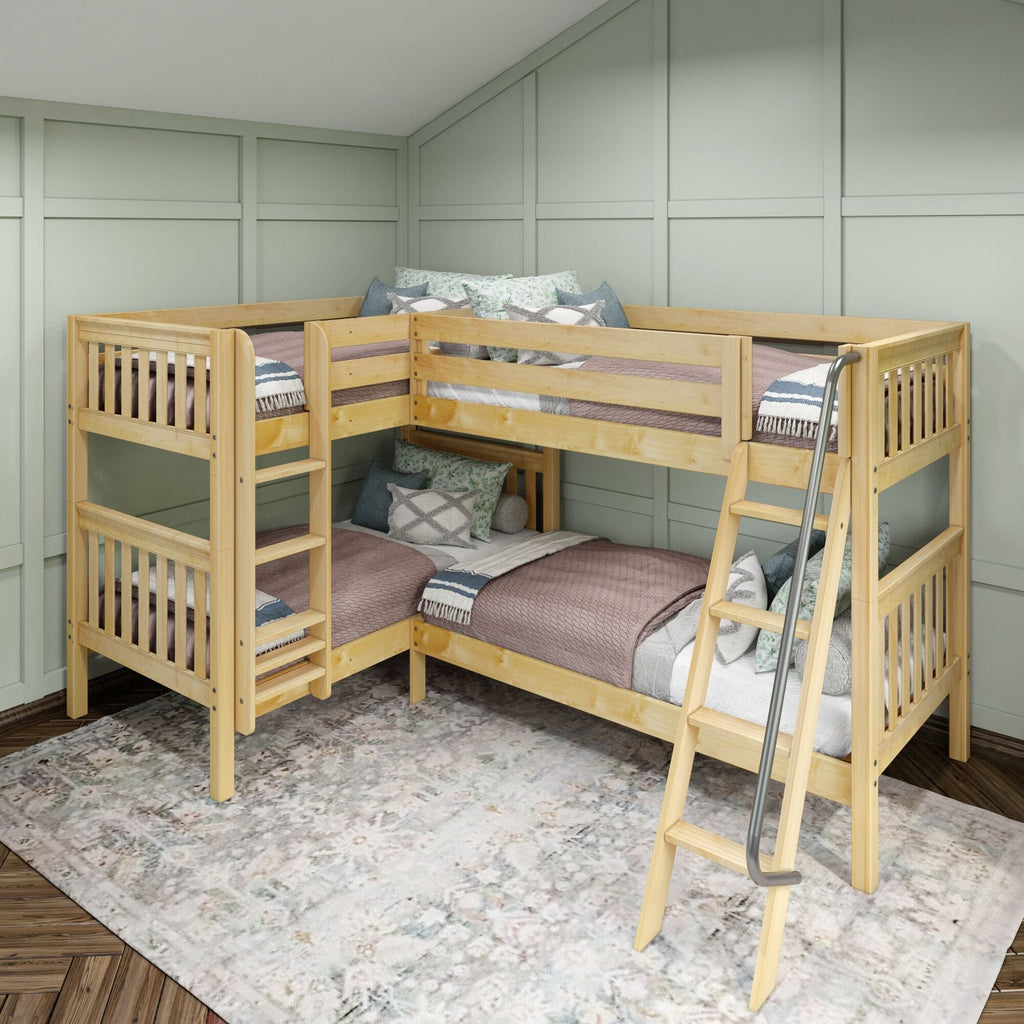
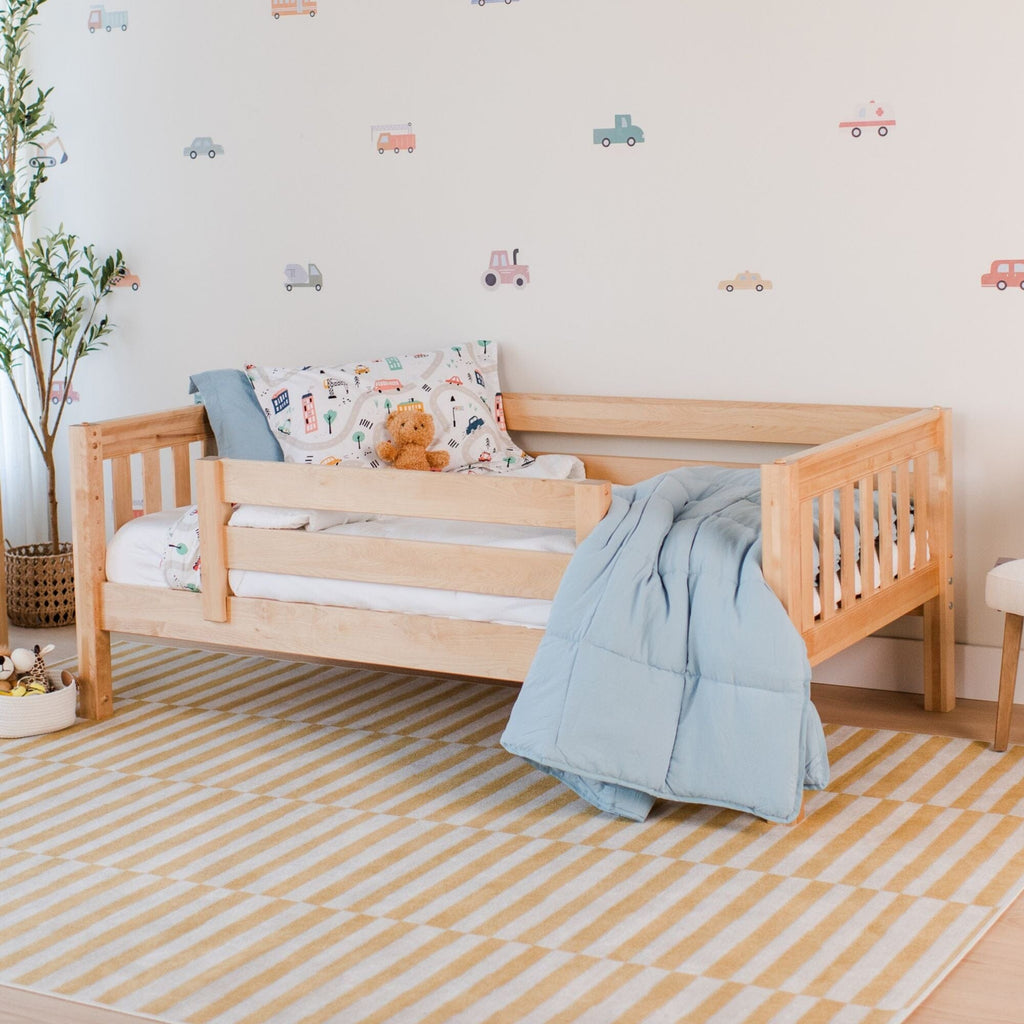
Since softwood comes from low-density trees like pine, this type of furniture is more prone to dents and chips. Softwoods naturally compress under pressure, which can cause visible marks or wear over time.
When you consider the real-life wear and tear that kids put on their furniture, this weak durability is something to keep in mind. Kids' beds are used every single day, and not just for sleep. They’re a place for play, storytime, and imagination.
For short-term use or lighter wear, softwood is a good option, but it may not withstand years of “not-so-gentle” use that childhood entails.
Hardwood
Hardwood is known for its top-notch durability and strength. Trees like maple, birch, and aspen have naturally denser grain structures, helping these hardwoods resist bending, cracking, and warping over time.
Tough and compact, hardwood furniture can stay solid and stable even after years of use. For kids’ furniture, this long-lasting durability is a huge win! As we mentioned, children's beds are put under a lot of pressure during sleep and playtime, requiring top-tier strength.

The Winner: Hardwood Durability
Thanks to its impressive resistance and density, hardwood is the top choice for durability. Built like furniture should be, its sturdy composition protects it against dents and cracks, allowing this kind of furniture to hold up for years and years of use.
Maxtrix uses premium hardwood for these very reasons. Its robust strength makes it perfect for kids’ beds, built to handle daily climbing, play, and all the adventures of growing up. Parents can rest easy knowing their child’s sleep setup is sturdy and reliable, while kids can count on their bed to last through every stage of childhood. With premium durability, it's the last bed you’ll ever need.

2. Wood Knotting
Softwood
Knots are a natural feature of solid woods, forming where branches once grew from the tree trunk. While they add to the charming, unique look of wood materials, they can also impact overall strength.
Softwood species like pine are more likely to have knots because they grow faster and develop more branches. These knots create weak spots in the wood, allowing dents, cracks, and wear to infiltrate the furniture's structure.
The bottom line: softwood with knots will show damage sooner. So, if you’re looking for a bed built for big dreams and big energy, this is definitely something to note.
Hardwood
Hardwood naturally has fewer knots than softwood. This is because it comes from slower-growing trees, which produce denser, more uniform wood surfaces. Fewer knots mean fewer chances for splitting, plus a smoother, more consistent look.
That being said, hardwood isn’t entirely immune to knots. Luckily, with Maxtrix, you don’t have to worry. We use only knot-free hardwood. During production, our team carefully inspects every wood component to ensure it meets our high-quality standards. It’s the kind of attention to detail your family deserves for quality you can count on.

The Winner: Knot-Free Hardwood
With its knot-free, strong construction, Maxtrix hardwood takes the win!
Every piece of wood is carefully inspected to ensure it’s free from imperfections. The result is a beautiful, smooth finish and dependable, heirloom-quality that families can trust to withstand years upon years of real-life use.


3. Weight Capacity
Softwood
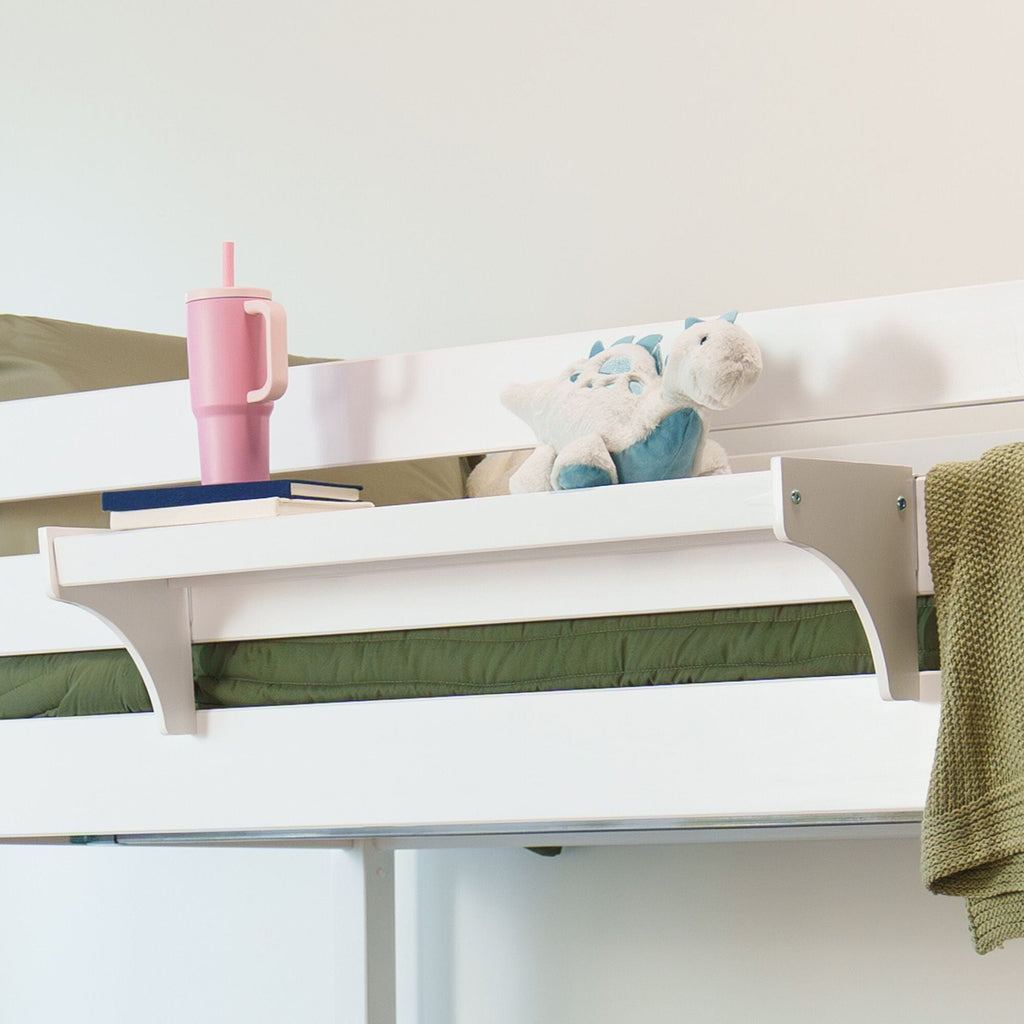
Weight capacity is a big deal when it comes to keeping your kiddo safe, especially with bunks and lofts where climbing and higher sleep spaces come into play. Because softwoods are lighter and less dense, the amount of weight they can support is limited.
Another factor that affects weight capacity is the thickness of the wood.
While softwoods aren’t thinner by definition, furniture made from pine often uses slimmer boards to cut costs and keep pieces lightweight. Although this can be helpful for families on a budget, thin materials reduce structural strength, resulting in lower weight capacities over time.
Hardwood
Thanks to its dense, heavy composition, hardwood furniture holds top-tier weight capacities!
Tree species like maple, birch, and aspen are much sturdier than softwoods, allowing them to support more pressure without bending or weakening. Their thicker, tighter-grained boards provide excellent reinforcement to furniture, making them ideal for raised kids' beds that require premium-level strength.
Per U.S. safety requirements, children’s bunk and loft beds must support at least 400 lbs. on the top bunk. Most softwood beds fall right around this minimum capacity.
Maxtrix goes far beyond the standard by using premium, heavy-duty hardwood. Every Maxtrix bunk and loft is tested to withstand at least 800 lbs. of resting weight, which is double the required safety standard! This way, we can ensure maximum strength and peace of mind for your family!
 The Winner: Hardwood's High Weight Capacity
With its super-strong build and rock-solid resilience, hardwood can safely handle way more weight, making it the clear winner. If you want the safest pick for your kiddo, hardwood is the way to go!
For even greater craftsmanship and strength, Maxtrix pairs solid hardwood with our patented Rock Lock™ system. These heavy-duty, solid steel connections lock each bed frame in place with unmatched stability, so your child’s bed stays secure through all their big-kid energy. With our beds' premium strength and Rock Lock™ system, it's construction is beyond comparison.

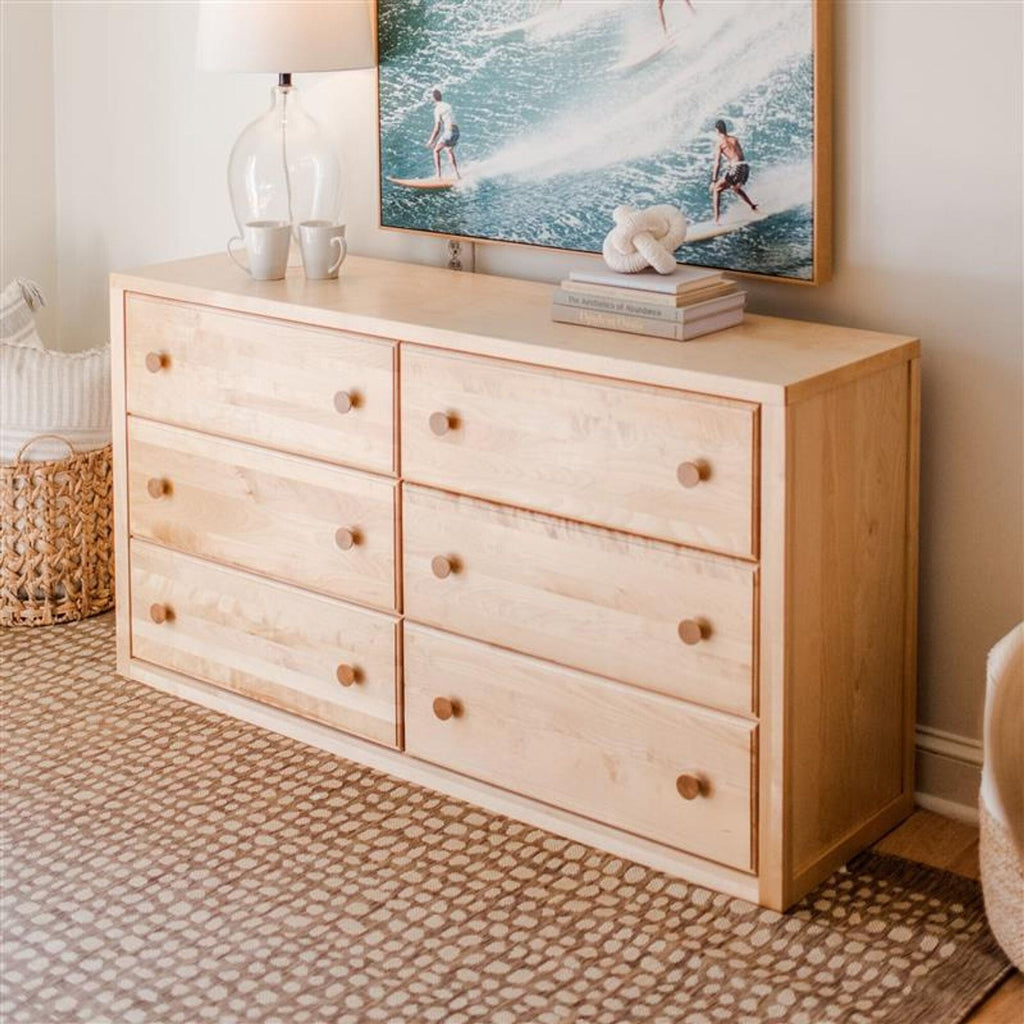
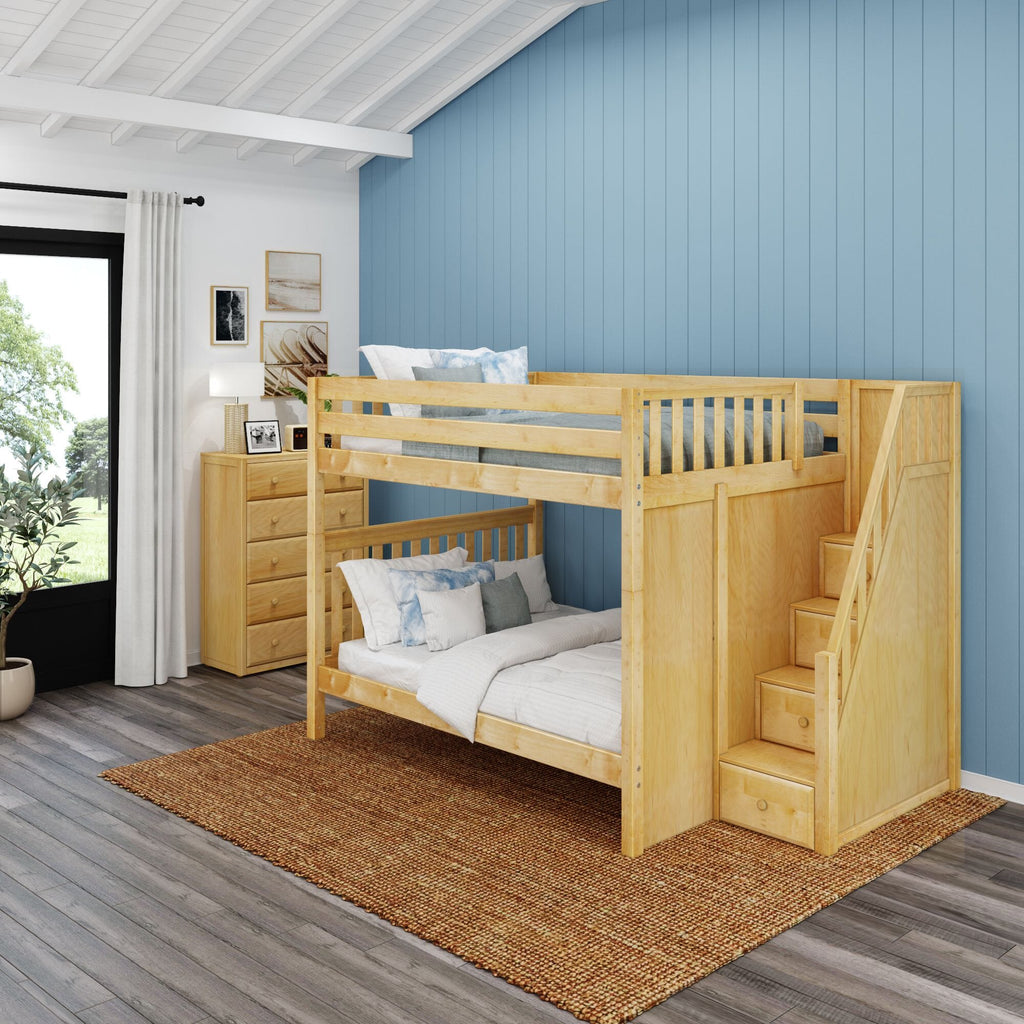
4. Price
Softwood
Pine and other softwoods are popular picks for kids’ furniture thanks to their family-friendly price point. They’re a solid step up from MDF and other engineered materials, giving you the natural look of real wood at an affordable price.
But, there’s a tradeoff: lower prices usually mean thinner, less durable wood, which can affect how long your child’s bed stays strong and sturdy.
If your family is looking for middle-ground quality without a premium price tag, softwood can be a good fit.
Hardwood
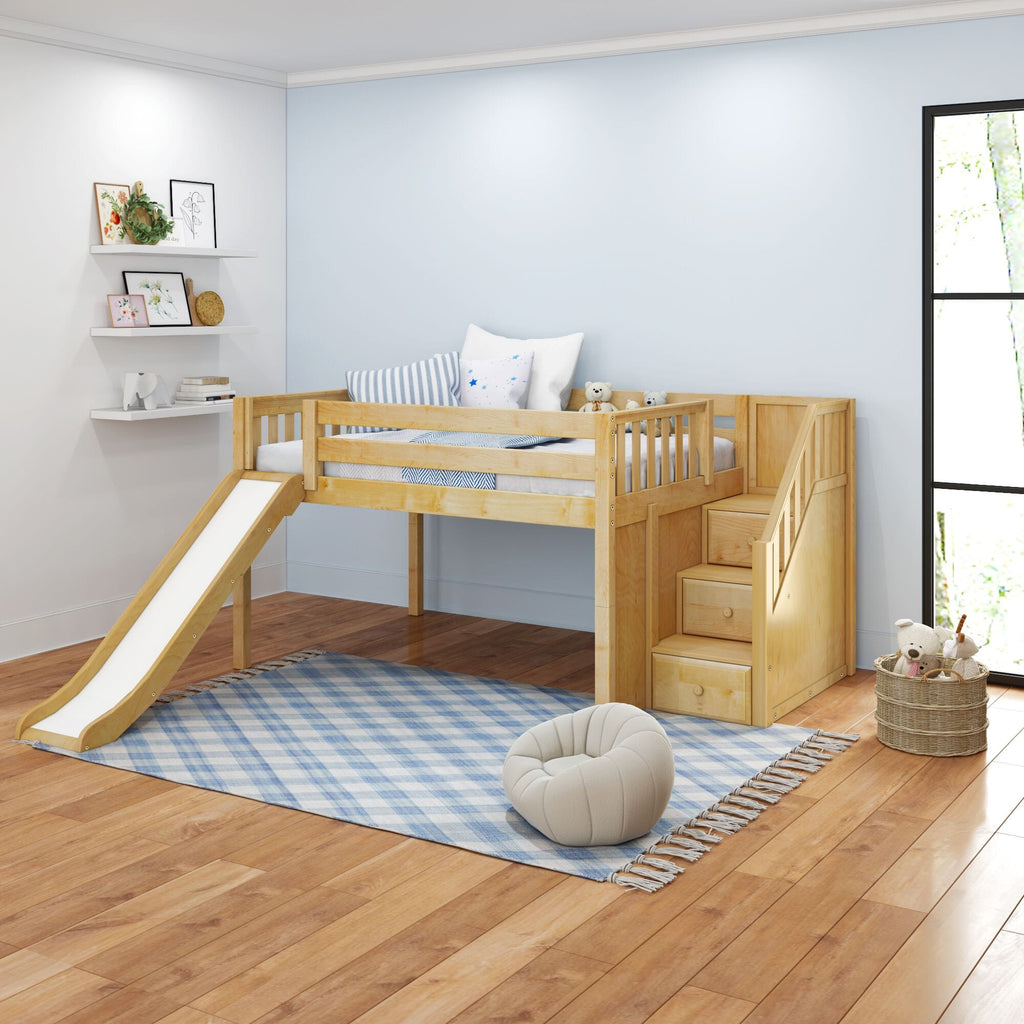
Hardwood furniture costs more upfront, but it’s an investment that pays off!
Its super strength and long-lasting construction mean you’re far less likely to replace or repair it down the road, saving money and hassle in the long run (what parent doesn’t love that!)
The value of hardwood furniture is unbeatable. It stays strong, stays reliable, and keeps looking great even after years of inevitable child wear and tear. Built for long service life, it’s crafted for years of safe sleep and lasting comfort, serving your family for generations.
At Maxtrix®, our hardwoods are sustainably sourced and thoughtfully designed to stand the test of time. By choosing durable materials that last, we reduce waste and help families make smarter, more eco-friendly choices. The result is furniture that’s better for your home, and better for the planet!

The Winner: It's Up To You!
Yes, softwood costs less upfront, but the trade-off is paying more down the road for furniture replacements and repairs. Softwood beds wear down faster, especially with the “tough love” kids' show their beds.
We understand every family’s budget is different, but if you want the smarter long-term win, hardwood furniture takes the crown. Maxtrix hardwood beds cost more at first, but they’re built for big-kid energy and ready for years of adventures.
And the best part? Every Maxtrix bed is modular! Think of it like a giant set of building blocks, reconfiguring it as your kid grows. From bunks to single beds, toddler stages to teen years, and the addition of study or storage pieces anytime, the possibilities are endless.
With lasting value and flexibility for the years ahead, hardwood beds are the way to go!

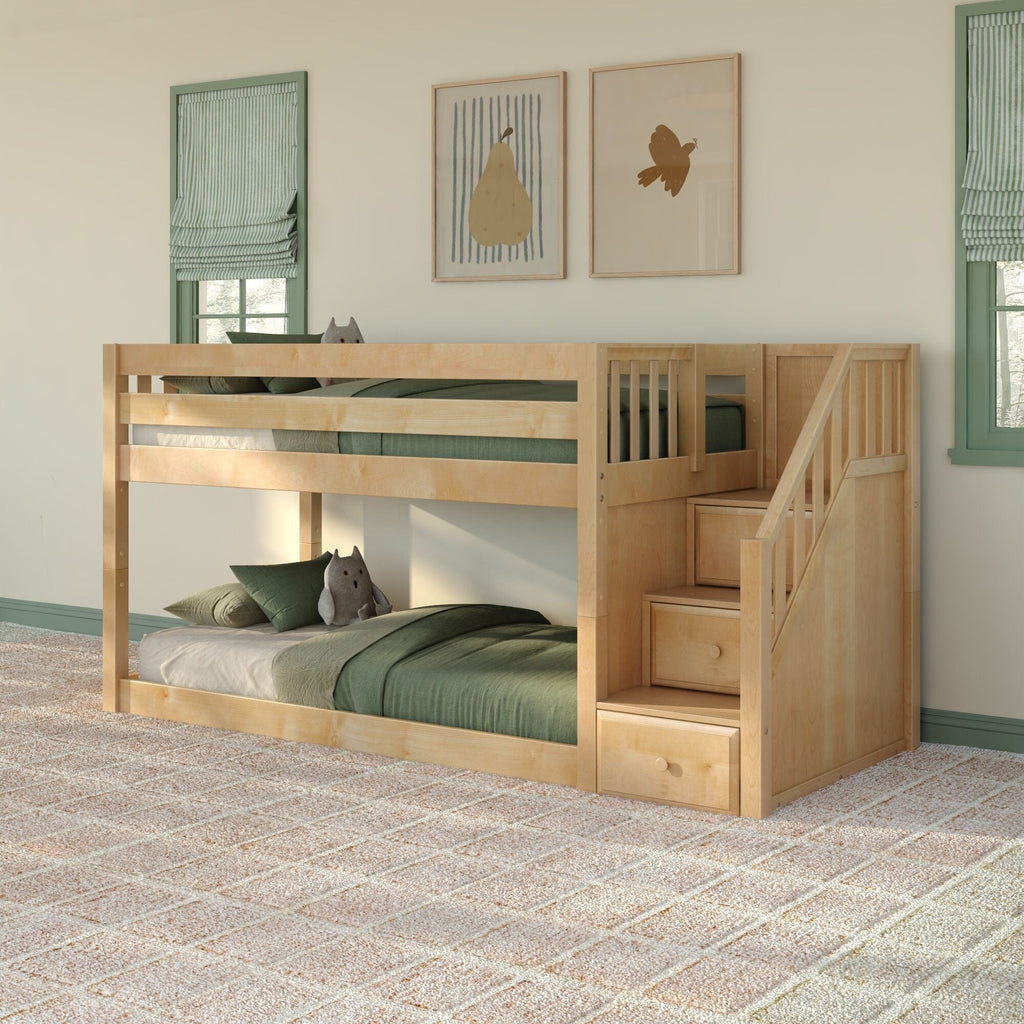
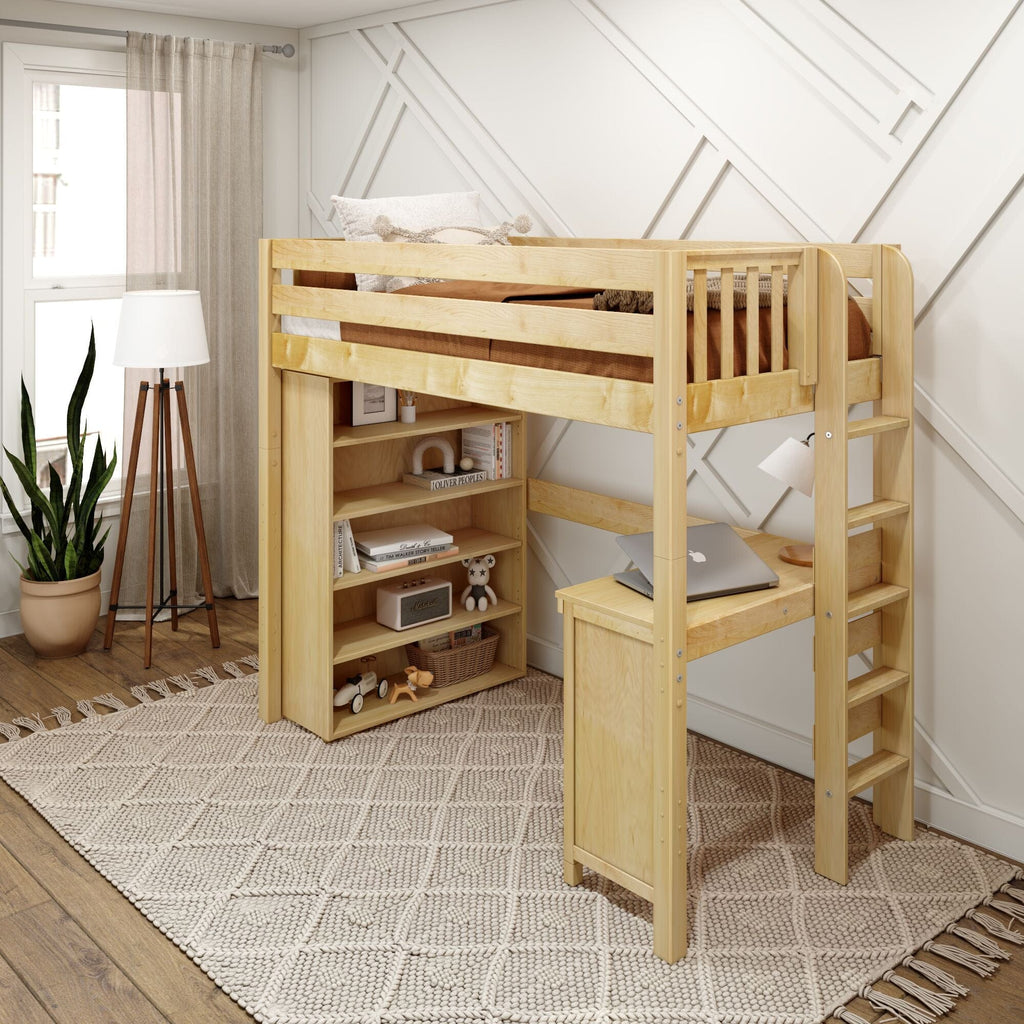
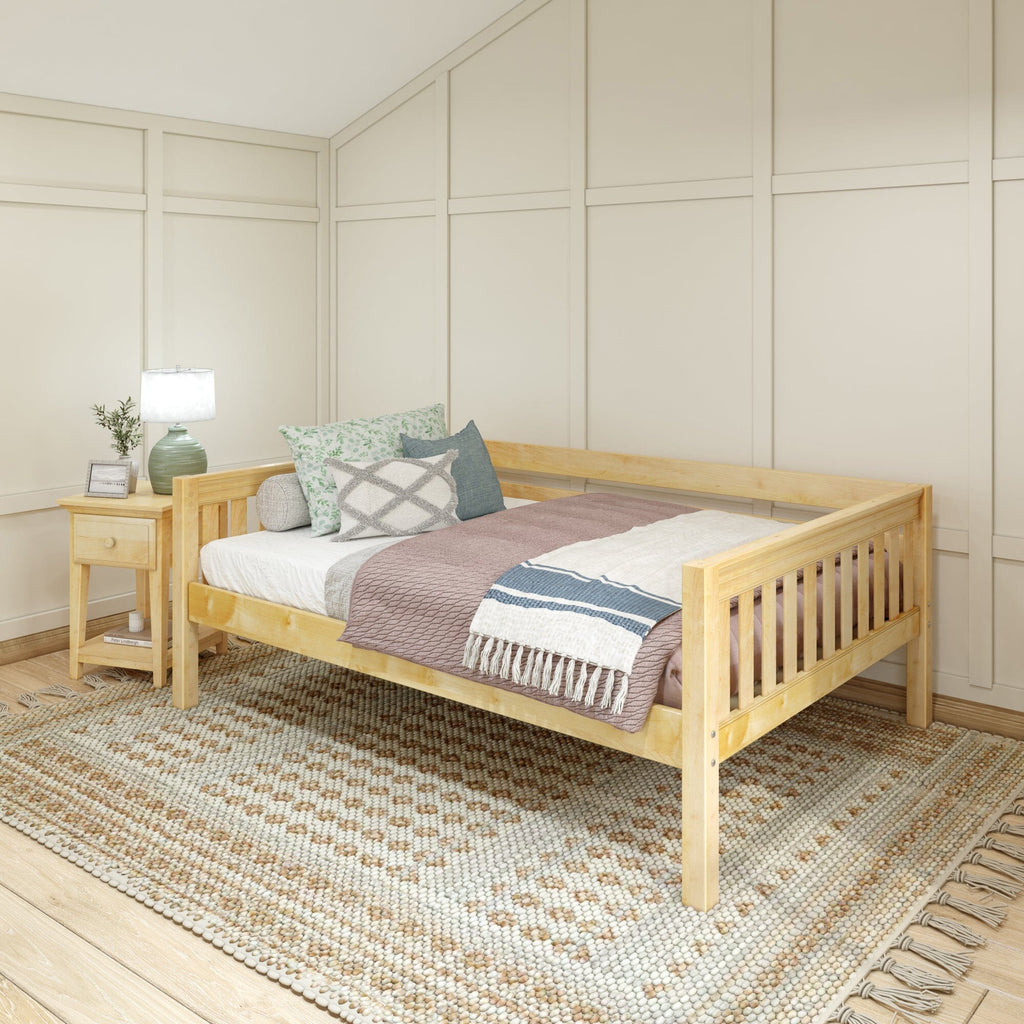
So, Is Softwood or Hardwood Better for Kids’ Beds?
We’ve covered a lot of information, so here’s the quick breakdown:
Softwoods like pine are often used in kids’ furniture because they cost less, but they’re also far less durable. Hardwoods such as birch, aspen, and maple are denser, providing stronger and longer-lasting reliability.
If you’re looking for a kids’ bed that truly holds up over time and delivers dependable, “kid-proof” durability, hardwood is the way to go. Maxtrix bunk beds, loft beds, and single beds are all made from heavy-duty hardwood for industry-leading strength and weight capacity. With this kind of top-notch quality you can’t find anywhere else, it’s the number one pick for long-lasting furniture.
Plus, Maxtrix furniture is designed to make the next step natural, easily converting in size, shape, and personalized features.
Ready for their “forever bed”? Explore our endless collection of luxury hardwood beds that grow, change, and keep up with kids.
